



Babybelletje most commonly refers, especially in food-related searches, to the familiar small, round Mini Babybel cheese snack. It is known for its mild taste, individual portion size and distinctive wax coating. The word can have other meanings depending on context, including a small bell or pregnancy-bola pendant, but the cheese connection dominates much of the current discussion around the term. The practical takeaway is simple: check the context, and when food is involved, think of the portable Mini Babybel-style cheese portion.
- What Does Babybelletje Actually Mean?
- The Mini Babybel Connection
- Why the Small Cheese Format Works So Well
- How Is the Mini Cheese Made?
- Ingredients and Nutrition: What Should You Check?
- Which Varieties Can You Find?
- Easy Ways to Eat and Serve Babybelletje
- Pair it with fresh fruit
- Add whole-grain crackers
- Slice it into a salad
- Use it in a sandwich or wrap
- Build a small snack board
- Serve it after activity
- A Practical Lunchbox Option for Families
- Storage, Refrigeration and the Famous Wax
- Dietary Requirements Need a Label Check
- What to Check Before Buying
- Why This Tiny Snack Remains Recognizable
- Conclusion
- Frequently Asked Questions
What Does Babybelletje Actually Mean?
The simplest definition depends on where you encounter the word.
In food, snack and lunchbox discussions, Babybelletje generally points to a Mini Babybel cheese portion: a small round cheese protected by wax and sold as an individual snack.
However, the term is not the official name of one universal food product. Babybel is the established brand name, while Mini Babybel is used for the small cheese format. Treating the unusual keyword as an informal or contextual expression avoids confusing it with an official product line.
There is also another meaning worth knowing. In Dutch- and Belgian-oriented pregnancy-jewelry contexts, a similar term may refer to a small chiming pendant, sometimes described as a pregnancy bola, harmony ball or baby bell. These necklaces are designed to produce a gentle sound as the wearer moves.
That gives searchers a useful context test:
| Where you see the term | Most likely meaning | Typical clues |
| Food or grocery content | Mini cheese snack | Cheese, wax, lunchbox, flavors |
| Recipes or snack ideas | Mini Babybel-style portion | Fruit, crackers, sandwiches |
| Pregnancy jewelry | Chiming pendant or bola | Necklace, pendant, pregnancy |
| Literal/general language | A small bell | Bell, ringing or sound |
For most food-related searches, the mini cheese interpretation is the useful one.
The Mini Babybel Connection
Mini Babybel belongs to the Babybel family from Bel, the French food group. The format became recognizable internationally because it turned cheese into a ready-to-eat individual portion.
Rather than needing a knife, cutting board or large block of cheese, the consumer gets one compact serving. The wax covering protects the cheese before it is opened, while the outer wrapping gives each portion its recognizable appearance.
This combination explains much of the product’s staying power. It solves a basic snack problem without requiring preparation.
The cheese can fit into a school lunch, office bag, picnic cooler or simple snack plate. Its relatively mild flavor also makes it easier to pair with other foods than many stronger aged cheeses.
That is more useful for understanding its popularity than treating the snack as a novelty alone.
Why the Small Cheese Format Works So Well
Three features make this type of snack distinctive: portioning, protection and portability.
Each piece comes as its own portion, removing the need to estimate how much cheese to cut. The wax protects the cheese until it is peeled away, and the compact round format travels easily when stored correctly.
Taste matters too. Original Mini Babybel is described by the brand as mild and creamy. That relatively gentle profile makes it approachable for people who do not enjoy particularly sharp or mature cheeses.
The texture is firm enough to hold its shape but soft enough to eat directly.
There is also a visual element. The round cheese and peelable wax have become recognizable characteristics of the product. That packaging makes opening the snack part of the experience, particularly for families and children.
Convenience, however, remains the strongest practical advantage.
How Is the Mini Cheese Made?
The basic process is less mysterious than the unusual packaging might suggest.
According to Babybel’s description of its production process, cow’s milk is pasteurized and transformed into curd. The curd is pressed into individual molds to create the small round portions.
The cheese then goes through a brining step. A salt-water bath helps develop flavor and contributes to preservation.
Finally, each portion receives its protective wax coating before the outer wrapper is added.
The exact manufacturing details and recipe can vary between varieties and markets. That distinction matters because a product sold in one country should not automatically be assumed to have exactly the same ingredients or nutrition as one sold elsewhere.
For dietary decisions, the package in your hand is therefore more useful than a generic nutrition figure found online.
Ingredients and Nutrition: What Should You Check?
A mini cheese portion can provide protein and calcium, but its exact nutritional profile depends on the variety.
As one current reference point, the US Mini Babybel Original label lists a 20 g piece at 70 calories, with 4 g protein, 140 mg calcium, 5 g total fat, 3.5 g saturated fat and 150 mg sodium. Its listed ingredients are pasteurized cultured milk, salt and microbial enzymes.
Those figures should be treated as a product example rather than a universal specification.
A different flavor, reduced-fat version, plant-based product, serving size or regional formulation can produce different numbers.
When checking a package, focus on:
| Label information | Why it matters |
| Serving size | Shows what the nutrition numbers actually represent |
| Protein | Helps assess how the cheese fits into a snack or meal |
| Calcium | One of the nutrients commonly associated with dairy cheese |
| Saturated fat | Useful when balancing overall dietary intake |
| Sodium | Important for people monitoring salt consumption |
| Allergens | Essential for anyone with a milk allergy |
| Ingredients | Reveals milk, enzymes and variety-specific additions |
| Certifications | Helps with vegetarian, vegan, halal or kosher requirements |
A useful snack is also more than one nutrient. Pairing a cheese portion with fruit, vegetables or whole-grain crackers can add fiber, carbohydrates and different micronutrients rather than relying on cheese alone.
Which Varieties Can You Find?
One reason generic descriptions of Babybelletje can become inaccurate is that there is no single range available everywhere.
Current US Babybel listings include Original, Reduced Fat, Gouda, Mozzarella, White Cheddar and Monterey Jack varieties, alongside newer product formats and variety packs. Availability changes according to retailer and market.
There are also plant-based Babybel products for people looking for a dairy-free cheese alternative. These should not be treated as nutritionally identical to dairy Mini Babybel.
For example, the current US plant-based Original is made without milk as an ingredient and uses components including modified potato starch, fava bean protein and plant oils. The manufacturer also states that it is produced on equipment that processes milk, an important detail for people dealing with allergies.
Choosing by preference
For a familiar mild flavor: Original is the straightforward starting point.
For something different: Gouda, White Cheddar, Mozzarella or Monterey Jack varieties may offer a different flavor profile where available.
For dairy-free eating: Look specifically for a certified plant-based version rather than assuming every small wax-covered product is dairy-free.
For a specific diet: Read the local ingredient list and certification symbols instead of relying on a description from another country.
This label-first approach is particularly useful because recipes and product ranges can change.
Easy Ways to Eat and Serve Babybelletje
The obvious way to eat a mini cheese is also one of the best: peel it, remove the wax and eat the cheese as a snack.
Still, the small portion can do more than sit alone in a lunchbox.
Pair it with fresh fruit
Apples, pears, grapes and berries add sweetness and freshness beside mild cheese. This is an easy option for work, school or an afternoon snack.
Add whole-grain crackers
Cheese and crackers provide contrasting textures and require almost no preparation. Add cucumber, tomatoes or another vegetable for a more varied snack plate.
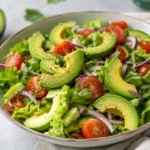
Slice it into a salad
Cutting a portion into small pieces can add mild cheese flavor to leafy salads, grain bowls or cold pasta salads.
Use it in a sandwich or wrap
Thin slices work with vegetables, turkey or other preferred fillings. Because the cheese is already portioned, it can be convenient when preparing a single lunch.
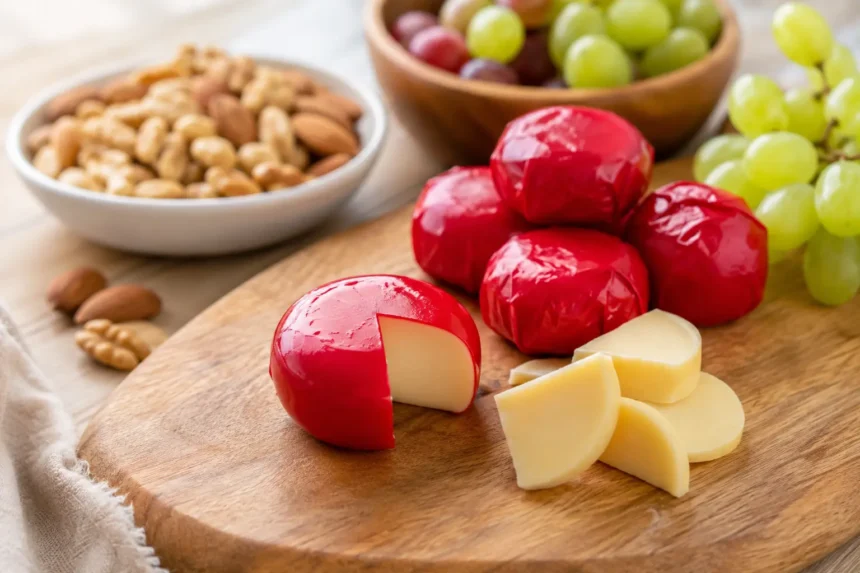
Build a small snack board
Combine cheese portions with fruit, vegetables, crackers, nuts and other suitable foods. This works particularly well when several people want different combinations.
Serve it after activity
A piece of cheese paired with fruit or crackers can make a practical post-activity snack when those foods suit the person’s nutritional needs.
There is little reason to overcomplicate it. Portability and easy pairing are the product’s main strengths.
A Practical Lunchbox Option for Families
The mini format has an obvious advantage for packed lunches: there is little preparation.
A straightforward lunchbox combination could contain:
- one mini cheese portion
- apple slices, berries or grapes prepared appropriately for the child’s age
- whole-grain crackers or bread
- cucumber, carrots or another vegetable
- water or another suitable drink
The goal is variety rather than making cheese carry the entire meal.
For young children, size also deserves attention. Babybel’s current US guidance tells parents to cut the product into bite-size pieces for children under four to reduce choking risk and to supervise children while they eat.
The cheese also needs appropriate temperature control. Its wax coating does not turn it into a shelf-stable food.
Storage, Refrigeration and the Famous Wax
The wax is one of the most recognizable parts of the product, but it creates several common questions.
First, do not eat the wax. Babybel states that its wax meets US food-contact requirements but does not recommend consuming it. Peel it completely away before eating the cheese.
Second, keep the cheese refrigerated when it is not being consumed. Current US manufacturer guidance says Mini Babybel should normally remain refrigerated and advises that, when taken on the go, it can be unrefrigerated for about two to four hours.
Temperature and food-safety conditions can vary, so local storage instructions on the package should take priority.
Once the wax has been removed, eating the cheese promptly is best. Exposure to air can dry it out.
Freezing is also not recommended by the manufacturer because it can affect product quality.
These details make the snack portable, but not maintenance-free. A lunch bag with suitable cooling is a better plan for longer trips or warm conditions.
Dietary Requirements Need a Label Check
Statements such as “Babybel is vegetarian” or “Babybel is halal” should not be generalized globally.
For example, Babybel’s current US FAQ says its cheese uses microbial enzymes rather than animal-origin rennet and describes Mini Babybel as suitable for lacto-vegetarian diets.
The same FAQ states that its US products are not certified halal or kosher.
That does not automatically establish the status of every product sold in every country. Ingredients, certification and manufacturing arrangements can vary by region.
People following religious or specialized diets should therefore check the actual certification marks and ingredient panel on the locally sold package.
Milk allergy requires particular attention. Regular Mini Babybel is a dairy product and contains milk. Plant-based versions use different recipes, but the current US plant-based product carries a notice that it is made on equipment that also processes milk.
Anyone with a serious food allergy should use the allergen information on the specific product rather than treating “plant-based” as an automatic guarantee about cross-contact.
What to Check Before Buying
The snack itself is simple, so choosing one should be simple too.
Before adding a pack to your basket, check:
- Variety: Original, reduced-fat, flavored and plant-based products are not identical.
- Ingredients: Look for anything relevant to allergies or dietary restrictions.
- Nutrition panel: Compare serving size, protein, saturated fat and sodium when these matter to you.
- Certification: Verify vegetarian, vegan, halal or kosher requirements from the actual packaging.
- Storage instructions: Make sure refrigeration will be practical for school, work or travel.
- Package condition: Avoid damaged or improperly stored refrigerated products.
- Local formulation: Do not assume an overseas nutrition table describes the product sold in your market.
This short check removes much of the confusion created when general information online is applied to every version of the product.
Why This Tiny Snack Remains Recognizable
Babybelletje attracts attention partly because the product behind its dominant food meaning is easy to identify.
Mini Babybel combines several qualities consumers tend to value in a snack: a predetermined portion, mild flavor, recognizable packaging and little preparation. It can be eaten alone but also works with everyday foods such as fruit, vegetables and crackers.
At the same time, the unusual search term requires some context. It is better understood as an informal expression associated with the familiar mini cheese rather than as the formal name of a completely separate cheese variety.
For shoppers, the most useful rule is equally straightforward: recognize the product category, then read the local package. That gives you more reliable information about ingredients, nutrition, dietary suitability and storage than assuming every version is identical.
Conclusion
Babybelletje is best understood through context. For most food-focused searchers, it points to the small Mini Babybel-style cheese snack recognized by its round shape, mild flavor, individual portion and protective wax.
Its usefulness comes from simplicity. It fits lunchboxes, snack plates and quick meals, pairs easily with fruit, vegetables and crackers, and is available in multiple dairy varieties as well as selected plant-based alternatives.
The most reliable approach is not to assume that every version has identical ingredients or nutrition. Choose the variety that suits your needs, read the local label, keep the product properly refrigerated and remove the wax before eating. That turns an unusual search term into something much easier to understand—and a very straightforward snack to use.
Frequently Asked Questions
1. What is Babybelletje?
In food-related contexts, Babybelletje usually refers informally to a small Mini Babybel cheese portion. The word can carry other meanings in different contexts, so it should not be treated as the official name of one universal product.
2. Is it the same thing as Mini Babybel?
That is usually what food-focused uses of the term are referring to. Mini Babybel is the established product name for Bel’s small, individually portioned cheese snacks.
3. Can you eat the red wax?
No. Remove the wax before eating the cheese. Babybel says the wax is suitable for food contact but does not recommend eating it.
4. Does Mini Babybel need refrigeration?
Yes. The manufacturer’s current US guidance says it should remain refrigerated when it is not being consumed. For on-the-go use, it advises a window of approximately two to four hours without refrigeration, but always follow the storage directions on your local package.
5. Is it a healthy snack?
A dairy Mini Babybel portion can supply protein and calcium. It can also contain saturated fat and sodium, so whether it fits well depends on the person’s overall diet, the specific variety and what accompanies it. Fruit, vegetables or whole grains can make the snack more varied.
6. Is Babybelletje vegetarian?
Current US Mini Babybel products use microbial enzymes rather than animal-origin rennet and are described by the manufacturer as suitable for lacto-vegetarians. Formulations can differ between markets, so check the local ingredient label if vegetarian status matters to you.
7. Is Mini Babybel halal?
Do not assume so based on the product name alone. Babybel’s current US FAQ says its US products are not halal certified. Certification may differ in other markets, making the locally sold package or manufacturer’s regional information the appropriate source.
8. Can the term also refer to pregnancy jewelry?
Yes. In some Dutch- and Belgian-oriented contexts, the term can refer to a small chiming pregnancy pendant, also described as a bola or baby bell. Food references such as cheese, wax, lunchboxes and flavors usually make the Mini Babybel meaning clear.