



Pravi Celer is best understood as “true” or “real” celery: the familiar Apium graveolens species viewed beyond the trimmed supermarket stalk. Depending on regional and culinary context, the phrase may point to stalk celery, leaf celery, celeriac, celery seed, or a whole-plant approach to using celery. It is not good evidence, by itself, that you are looking at a special “super” variety. The useful question is not whether this celery is magical, but which form you have, how it tastes, and how to use it well.
- What Pravi Celer Actually Means
- One Species, Several Useful Kitchen Forms
- What You Get Nutritionally
- Health Value Without the Wellness Hype
- Hydration and Everyday Eating
- Fiber and Digestion
- Heart-Friendly Meals
- Antioxidants Are Not a Medical Promise
- Whole Celery or Celery Juice?
- How to Use the Different Parts in Real Meals
- Use Stalks for Crunch and Aromatic Depth
- Treat the Leaves Like an Herb
- Give Celeriac Its Own Role
- Use Celery Seed as Seasoning
- Buying, Storing, and Preparing It Well
- Growing It? Choose the Form Before You Buy Seed
- Safety: The Point Many Wellness Articles Underplay
- Why the Whole-Plant Idea Still Works in 2026
- Conclusion
- Frequently Asked Questions
What Pravi Celer Actually Means
The phrase comes from South Slavic usage, where “pravi” conveys the sense of true, real, or genuine and “celer” refers to celery. Croatian-language references use pravi celer as a common name for Apium graveolens, and Kew’s Plants of the World Online recognizes Apium graveolens as the accepted species.
That matters because some English-language pages turn the phrase into a broader wellness or whole-plant concept. That framing can be useful when it encourages people to think about stalks, leaves, seeds, and celeriac instead of only pre-trimmed celery hearts. Botanically, however, the phrase does not create a separate species.
There is also a newer web-specific source of confusion: Pravi Celer is used as the name of a lifestyle website. If you encounter the phrase in food, gardening, or nutrition content, the celery meaning is usually the one being discussed; brand-oriented pages require a different interpretation.
A practical rule is simple: do not assume “true celery” means a premium or improved cultivar unless a grower or seller provides an actual cultivar name. Check whether the context describes crisp stalks, aromatic leaves, celery seed, or the knobbly vegetable sold as celeriac.
One Species, Several Useful Kitchen Forms
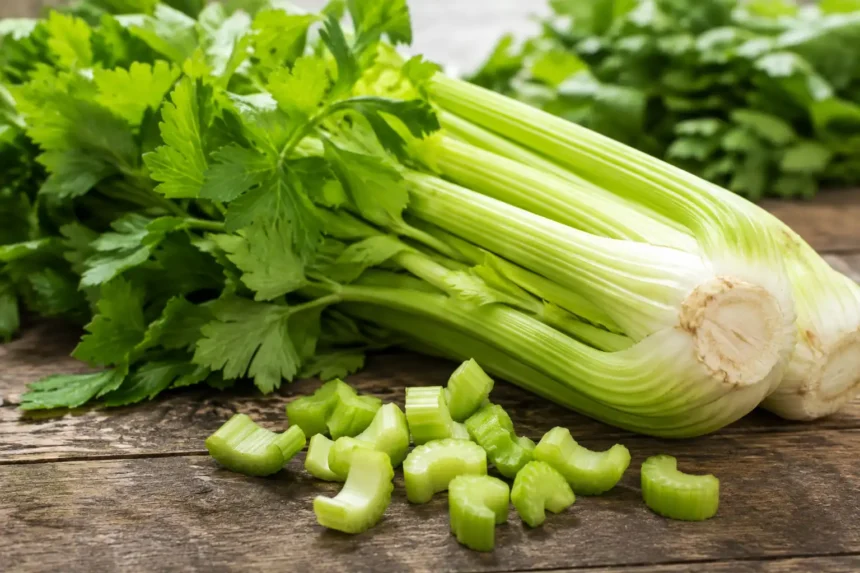
Celery is more varied than the standard bunch in a produce aisle suggests. Different cultivated forms emphasize different edible parts, so treating all of them as interchangeable creates unnecessary confusion. Kew’s taxonomy places names historically associated with stalk celery and celeriac within the broader accepted Apium graveolens species.
| Form | What you usually buy | Flavor and texture | Best uses |
| Stalk celery | Long, crisp leaf stalks | Juicy, crunchy, mildly herbal | Snacks, salads, soups, stocks, stir-fries |
| Leaf celery | Leafy stems and aromatic leaves | Stronger, greener, more herb-like | Soups, sauces, rice dishes, garnishes |
| Celeriac | Round, rough, swollen base/root vegetable | Earthy, nutty, celery-like | Roasting, mashing, gratins, slaws, purées |
| Celery seed | Small dried seeds | Concentrated, warm, slightly bitter | Pickles, dressings, spice blends, celery salt |
The important correction is that a bunch of stalk celery does not automatically produce the large celeriac vegetable sold in stores. They are related forms of the same broader species, selected for different characteristics. Even stronger competitors in the supplied SERP acknowledge this distinction.
This is why the “whole celery” idea works best as a culinary mindset, not as a promise that one individual plant will supply every commercial celery form at once.
What You Get Nutritionally
Stalk celery is predominantly water, low in calories, and contributes some dietary fiber alongside micronutrients such as vitamin K, folate, and potassium. USDA FoodData Central maintains raw celery in its current food-composition data, while clinical nutrition sources also characterize celery as a highly water-rich vegetable.
Celeriac is different. Because you eat its dense swollen base rather than watery stalks, it feels much more substantial in a meal. That makes it particularly useful when you need body in soups, mash, gratins, or roasted vegetable dishes.
Celery leaves are especially useful for flavor. Their stronger aroma means a handful can work much like a fresh herb in stock, soup, eggs, sauces, or grain dishes.
Celery seed is even more concentrated in flavor. It is usually treated as a spice rather than consumed in vegetable-sized portions.
A Better Way to Think About the Health Value
The strongest case for celery is not that it cures disease. It is that the vegetable can make a varied, produce-rich eating pattern easier to maintain.
Crisp stalks can replace some more calorie-dense snack foods. Chopped celery adds volume and texture to salads and cooked meals. Celeriac expands the range of vegetables available for hearty dishes.
That is a more defensible benefit than calling Pravi Celer a miracle “detox” ingredient.
Health Value Without the Wellness Hype
Competitor pages repeatedly connect this vegetable with hydration, digestion, weight management, cardiovascular health, and antioxidants. Those topics match user interest, but responsible wording matters because some ranking pages move too quickly from ordinary nutritional qualities to therapeutic conclusions.
Hydration and Everyday Eating
Celery stalks are approximately 95% water, making them a useful water-rich food in meals and snacks. They do not replace drinking water, but their high moisture content contributes to the refreshing texture people associate with raw celery.
Fiber and Digestion
Celery contains fiber, although it is not among the most fiber-dense vegetables. The useful point is cumulative: celery contributes to overall fiber intake as part of a diet that also includes foods such as legumes, whole grains, fruit, nuts, seeds, and other vegetables.
Cleveland Clinic notes that even the relatively modest amount of fiber in a stalk can contribute to normal digestive function.
Heart-Friendly Meals
Celery supplies potassium and fits naturally into eating patterns centered on vegetables and other minimally processed foods. Potassium is among the nutrients involved in normal blood-pressure regulation, but the presence of potassium in celery does not transform the vegetable into a blood-pressure treatment.
That distinction is worth emphasizing. Eating more vegetables can support a heart-conscious diet; substituting celery for appropriate medical care cannot.
Antioxidants Are Not a Medical Promise
Celery contains naturally occurring plant compounds, including flavonoids and phenolic compounds, which explains some scientific interest in its antioxidant activity.
Laboratory findings about individual compounds should not be turned into promises that a normal serving prevents or cures a disease. The more practical goal is dietary variety rather than dependence on one supposedly exceptional vegetable.
Whole Celery or Celery Juice?
Celery juice is one reason this ingredient continues to resurface in wellness content. It can be refreshing and can contribute fluid and nutrients, but juicing does not automatically make a vegetable healthier.
Mayo Clinic’s general guidance on juicing is clear: whole fruits and vegetables retain healthy fiber that is lost during most juicing processes.
For most people, whole celery therefore makes a sensible everyday default. It preserves the crunch, takes longer to eat, and keeps the plant’s natural fiber.
A blended smoothie can preserve more plant material than heavily strained juice. If you enjoy celery juice, treat it as a beverage or recipe preference rather than a detox treatment or replacement for whole vegetables.
How to Use the Different Parts in Real Meals
A useful celery guide should go further than telling readers to “add it to salads.” Each form solves a different kitchen problem.
Use Stalks for Crunch and Aromatic Depth
Raw stalks work well in snack plates, chopped salads, chicken salad, tuna salad, slaws, and wraps.
Cooked stalks soften and become part of the background flavor in soups, braises, sauces, and stocks. Celery is also one component of the classic French aromatic base mirepoix, alongside onion and carrot. The same general idea—building flavor with aromatic vegetables—appears throughout everyday cooking.
Try adding finely diced stalks to:
- lentil soup
- vegetable stock
- chicken soup
- rice dishes
- bean stews
- stuffing
- pasta sauces
- stir-fries
Treat the Leaves Like an Herb
Do not automatically discard fresh celery leaves.
Chop tender leaves into soup, omelets, lentils, rice dishes, vinaigrettes, sauces, or salads. Stronger outer leaves work particularly well in homemade stock.
A practical low-waste habit is to separate the leaves when you get home. Use the freshest leaves like herbs and freeze rougher leaves with other clean vegetable trimmings for a future stock.
Give Celeriac Its Own Role
Celeriac deserves separate treatment because its texture is very different from stalk celery.
Remove the rough exterior, then roast it in cubes, mash it with potato, blend it into soup, bake it into a gratin, or shred it raw for slaw.
Its earthy celery flavor and denser structure make it particularly suitable for cool-weather cooking and dishes where thin stalk celery would not add enough substance.
Use Celery Seed as Seasoning
Celery seed brings a concentrated savory note to pickling liquid, coleslaw dressing, potato salad, spice rubs, broths, and homemade celery salt.
Because the flavor is much stronger than a raw stalk, start with a small amount and adjust after tasting.
Buying, Storing, and Preparing It Well
Choose stalk celery that feels firm and crisp. Fresh-looking leaves are also a useful quality signal when they are still attached.
Celery loses moisture relatively quickly. Illinois Extension recommends refrigeration and notes that good-quality stalks commonly keep for roughly a week or slightly longer under suitable refrigerator conditions.
For celeriac, look for a firm vegetable without extensive soft areas, decay, or mold. Because its exterior is thick and rough, a sharp knife is often more practical than a light vegetable peeler.
Wash celery before eating or cooking it, paying particular attention to the base and grooves where soil can collect.
If stalks have become slightly limp but show no signs of spoilage, trimming the base and soaking them in cold water may restore some crispness. Illinois Extension also recommends water as a way to rehydrate limp stalks.
Freezing is useful for surplus celery destined for cooked dishes. The texture softens after freezing and thawing, so frozen pieces work better in soup, stew, stuffing, stock, and sauces than in a crunchy salad.
Growing It? Choose the Form Before You Buy Seed
The most useful gardening decision happens before planting: decide which part you actually want to harvest.
Choose a stalk-celery cultivar if you want substantial crisp stems. Choose celeriac if the goal is the swollen edible base used for roasting and mash. Choose a leaf or cutting type when aromatic foliage is the priority.
Celery is not an ideal crop for a dry bed that receives little attention.
Utah State University Extension recommends fertile, well-drained soil and consistent moisture for garden celery. The Royal Horticultural Society likewise stresses a steady supply of moisture and warns that water stress can contribute to stringier, more strongly flavored stems.
For gardeners, that means reliable watering matters almost as much as simply choosing a sunny planting location.
Safety: The Point Many Wellness Articles Underplay
For most people, celery is an ordinary vegetable. For a person with a celery allergy, however, the whole plant becomes highly relevant.
The UK Food Standards Agency’s allergen definition includes celery stalks, leaves, seeds, and the root vegetable celeriac. Celery is also included among regulated food allergens highlighted by European food-safety authorities.
Some celery reactions are also associated with pollen-food cross-reactivity. Allergy guidance specifically notes relationships with birch and mugwort pollen in susceptible people.
If you have a diagnosed celery allergy, do not assume celery seed, celery salt, celeriac, cooked celery, or a broth containing celery is automatically safe. Read ingredient information carefully and follow appropriate medical guidance.
There is also an important distinction between normal food portions and concentrated herbal extracts or supplements. Claims involving celery-seed capsules, extracts, or therapeutic doses should be evaluated separately from claims about using celery as an ordinary vegetable.
Why the Whole-Plant Idea Still Works in 2026
The best current angle is not to pretend celery has suddenly been discovered.
Its value comes from versatility.
A bunch of celery can supply raw snacks, aromatic vegetables for soup, leaves for seasoning, and trimmings for stock. Celeriac offers a separate substantial vegetable, while celery seed provides shelf-stable flavor.
That approach also fits the broader whole-plant framing repeated across the current SERP without requiring exaggerated health claims. Several 2026 competitors now connect the topic with practical cooking and reducing waste.
Instead of asking whether celery deserves “superfood” status, a better question is whether you are using the form you buy effectively.
Conclusion
Pravi Celer is most useful when you strip away the hype and identify what the term is actually pointing to. At its core, it refers to celery, Apium graveolens, while regional and English-language online usage can broaden the idea to include stalk celery, leaves, celeriac, and seeds. The practical lesson is simple: choose the right form for the job.
Use stalks for crunch and aromatic bases, leaves as a flavorful herb, celeriac for substantial vegetable dishes, and seeds for concentrated seasoning. Enjoy celery for its water, fiber, flavor, and versatility, but do not turn a useful vegetable into a medical promise. If the “true celery” idea is going to mean something useful in the kitchen, make it mean better identification, fuller use, less waste, and more varied cooking.
Frequently Asked Questions
1. What is Pravi Celer in simple terms?
It is a South Slavic name associated with “true” or “real” celery and is used as a common name for Apium graveolens. English-language food content often expands the phrase into a broader idea covering different edible celery forms.
2. Is Pravi Celer the same as celeriac?
Not exactly. Celeriac is a cultivated celery form selected for its enlarged edible base, while stalk celery is selected primarily for its crisp leaf stalks. Both belong within the broader Apium graveolens species but serve different culinary purposes.
3. Can you eat celery leaves?
Yes. Celery leaves are edible and more strongly flavored than the stalks. Tender leaves work in salads, soups, sauces, eggs, rice dishes, and garnishes, while tougher leaves are useful for stock.
4. Are celery seeds edible?
Yes. Celery seeds are commonly used as a spice. Small amounts can flavor pickles, dressings, coleslaw, potato salad, broths, spice blends, and celery salt.
5. Is celery juice healthier than whole celery?
Not automatically. Whole vegetables retain their natural fiber, while much of that fiber is removed by many juicing methods. Mayo Clinic therefore does not consider juicing inherently healthier than eating whole fruits and vegetables.
6. Can celery be eaten every day?
For most people without an allergy or a medical reason to restrict it, celery can be part of regular meals. It is best viewed as one vegetable within a varied diet rather than something that needs to be consumed in unusually large amounts every day.
7. How should celery be stored?
Keep stalk celery refrigerated and protected from excessive moisture loss, ideally in the crisper or an appropriate container or bag. Attached leaves are worth using sooner because they tend to lose freshness faster.
8. Does celery really have health benefits?
Celery is a water-rich, low-calorie vegetable that contributes some fiber and micronutrients and can fit easily into a produce-rich diet. Those qualities make it useful nutritionally, but claims that celery “detoxes” the body, cures disease, or produces dramatic weight loss go beyond what eating a normal serving can establish.