




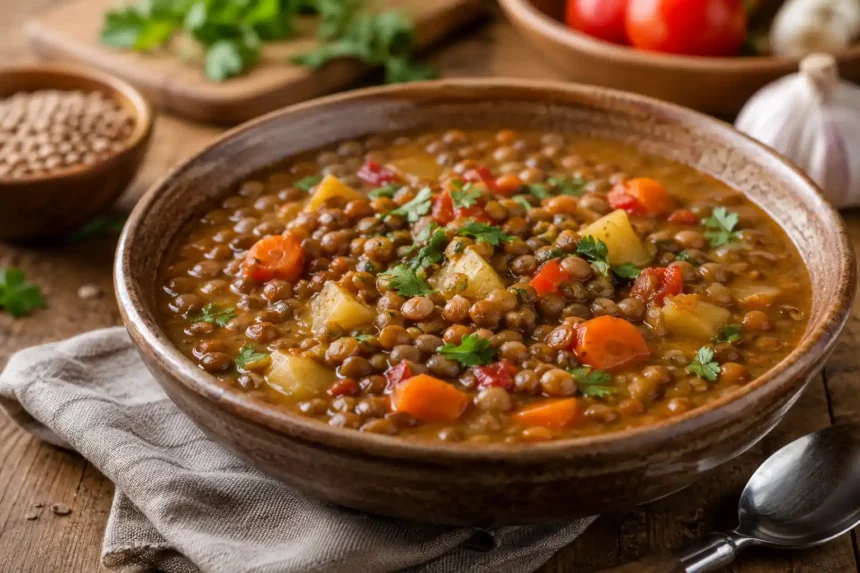
Searching for the best guiso de lentejas near me usually means you want something more specific than ordinary lentil soup. You are looking for a hearty, home-style lentil stew with satisfying texture, well-developed seasoning, vegetables, and possibly chorizo or another meat depending on the regional style.
- What You Are Really Looking for When You Search for Guiso de Lentejas
- What Makes Guiso de Lentejas Different From Ordinary Lentil Soup
- How to Find the Best Guiso de Lentejas Near Me
- Search More Than One Menu Name
- Use Maps, Dish Photos, and Recent Reviews
- Check Restaurants That Specialize in Home-Style Cooking
- How to Judge a Great Bowl Before You Order
- Look for Balanced Texture
- Look for a Flavor Base, Not Just Broth
- Match the Ingredients to the Style You Want
- Regional Styles You May Find Nearby
- Spanish-Style Lentejas
- Argentine and Uruguayan Interpretations
- Other Latin American Home-Style Versions
- Menu Terms That Can Reveal Hidden Local Options
- Choose the Right Guiso for Your Preferences
- A 60-Second Checklist Before Ordering
- What Goes Well With Lentil Stew
- When Making It at Home Makes More Sense
- Conclusion:
- Frequently Asked Questions
- 1. What is guiso de lentejas?
- 2. How can I find the best guiso de lentejas near me?
- 3. Is guiso de lentejas the same as lentil soup?
- 4. Does guiso de lentejas always contain chorizo?
- 5. Can guiso de lentejas be vegetarian?
- 6. Which restaurants are most likely to serve it?
- 7. What should good guiso de lentejas taste like?
- 8. What should I search if no restaurant lists “guiso de lentejas”?
The fastest way to find a good one is to search several Spanish and English menu terms, look beyond general restaurant ratings, examine recent dish photos and reviews, and choose a restaurant whose cooking style matches the version you actually want.
What You Are Really Looking for When You Search for Guiso de Lentejas
Guiso de lentejas is comfort food built around lentils, but there is no single recipe followed everywhere.
Spanish and Latin American kitchens have developed different versions using locally familiar vegetables, seasonings, meats, and cooking traditions. That variation is one reason a local search can produce very different bowls even when restaurants use similar names. Current ranking pages consistently reflect this diversity rather than treating the dish as one fixed recipe.
For a diner, “best” therefore depends partly on preference.
Someone craving smoky Spanish-style lentils may prefer a dish containing chorizo and paprika. Another diner may want a meatier Argentine-style stew, while someone else may be searching specifically for a vegetarian bowl.
Knowing which experience you want makes local searching much easier.
What Makes Guiso de Lentejas Different From Ordinary Lentil Soup
The easiest translation is lentil stew, although restaurant terminology varies.
A guiso generally feels more substantial than a light, broth-centered soup. Lentils remain the central ingredient, while onions, garlic, tomato, peppers, carrots, potatoes, herbs, spices, or meats can create additional body.
The exact combination depends on the cook and region.
Texture matters just as much as the ingredient list. A satisfying stew should feel cohesive rather than like lentils floating separately in flavored water. At the same time, a good bowl does not have to be extremely thick. Home recipes naturally range from spoon-coating stews to somewhat looser preparations.
Spanish culinary traditions provide one recognizable example. Spain’s official tourism portal notes that lentils in Madrid are commonly eaten with chorizo, illustrating why sausage frequently appears in Spanish versions.
Argentina also continues to recognize guiso de lentejas as part of its food culture. The dish appeared at the country’s GustAR “Viva la Patria” gastronomic event in May 2026 alongside other foods associated with regional Argentine culinary identity.
How to Find the Best Guiso de Lentejas Near Me
A good local search starts with the dish, not with whichever restaurant happens to rank first.
Search More Than One Menu Name
The exact phrase best guiso de lentejas near me may miss restaurants that serve exactly what you want under another name.
Try variations such as these:
| Search phrase | What it may uncover |
| Guiso de lentejas | Restaurants using the traditional stew name |
| Lentejas guisadas | Spanish-language menus using a close variation |
| Lentil stew | English-language restaurant listings |
| Lentejas con chorizo | Meatier Spanish-style preparations |
| Potaje de lentejas | Another hearty Spanish lentil preparation |
| Argentine lentil stew | Argentine restaurants and home-style menus |
| Comida casera lentejas | Home-style Spanish or Latin cooking |
| Vegetarian lentejas | Meat-free versions |
A restaurant may serve the dish as a daily special without optimizing its menu around the exact phrase you searched.
That is why semantic variations can reveal better options than repeating one query.
Use Maps, Dish Photos, and Recent Reviews
Google Maps supports nearby place searches and, where restaurant information is available, users can explore menus, dish information, photos, and reviews.
Once you find a candidate, do not rely only on its overall star rating.
Search its reviews for words such as:
lentejas, lentils, stew, guiso, chorizo, homemade, daily special, caldo, or casero.
A restaurant could be excellent overall while its lentil dish receives little attention. Conversely, a modest neighborhood restaurant may have customers repeatedly praising one particular stew.
Recent dish photos are useful too. They can show whether the bowl resembles the thick, ingredient-rich preparation you want or a lighter soup.
Check Restaurants That Specialize in Home-Style Cooking
The current SERP repeatedly points searchers toward Spanish restaurants, Argentine and Uruguayan restaurants, Latin American cafés, tapas restaurants, and family-style kitchens.
That is a better starting point than limiting yourself to restaurants categorized simply as “soup.”
Look especially for menus featuring other traditional dishes. A restaurant serving several slow-cooked or home-style specialties may be more likely to treat lentils as a complete dish rather than an afterthought.
Daily-special boards are worth checking as well. Stews are not always permanent menu items.
How to Judge a Great Bowl Before You Order
Finding the restaurant is only half the job. Next, determine whether its version fits your expectations.
Look for Balanced Texture
The lentils should generally feel tender enough to eat comfortably while remaining recognizable.
If available photos show an extremely watery bowl and you want a thick stew, keep comparing. If you prefer something lighter, the same restaurant might be perfect for you.
The important point is matching expectations rather than assuming one consistency is universally correct.
Look for a Flavor Base, Not Just Broth
Many satisfying versions build flavor from cooked aromatics such as onion and garlic, often joined by tomato, peppers, paprika, herbs, or other seasonings.
SERP competitors repeatedly highlight the importance of a developed vegetable or sofrito-style base rather than a plain broth.
Useful review language includes descriptions such as:
- rich
- savory
- smoky
- well-seasoned
- homemade
- slow-cooked
- hearty
Be more cautious when several reviewers independently describe the dish as watery, bland, overly salty, or dominated by one ingredient.
Match the Ingredients to the Style You Want
A bowl can be well made and still not be right for you.
Before ordering, check whether it includes:
- chorizo or another sausage
- beef or pork
- potatoes
- carrots
- tomato
- peppers
- rice
- vegetable or meat-based stock
- strong smoked seasoning
This matters particularly for vegetarian diners or anyone avoiding specific ingredients.
Never assume a lentil dish is vegetarian simply because lentils are the main ingredient. Ask whether meat, sausage, or meat stock is used.
Regional Styles You May Find Nearby
There is no universal recipe for guiso de lentejas, so regional labels can help you narrow the search.
Spanish-Style Lentejas
Spanish preparations may combine lentils with vegetables, garlic, paprika, bay leaf, potatoes, or cured meats.
Chorizo is particularly associated with some Spanish lentil dishes; Spain’s tourism authority specifically mentions Madrid’s tradition of eating lentils with chorizo.
Choose this direction when you want a savory bowl with the possibility of smoky sausage flavors.
Argentine and Uruguayan Interpretations
Argentine and Uruguayan versions are frequently represented in the current SERP as substantial home-style stews that may incorporate vegetables alongside meat or sausage.
Recipes differ from household to household, so the restaurant’s own description matters more than a rigid definition.
The dish remains culturally visible in Argentina in 2026, including its appearance at the government-backed GustAR gastronomic event.
Other Latin American Home-Style Versions
Restaurants from other Spanish-speaking countries may offer lentejas without calling them guiso de lentejas.
Seasonings, vegetables, consistency, garnishes, and proteins can all change according to regional and family cooking traditions.
Treat those differences as variations rather than tests of whether a bowl is “real.”
A dish does not have to imitate one country’s version to be worth ordering.
Menu Terms That Can Reveal Hidden Local Options
When a search for the best guiso de lentejas near me produces few results, change the vocabulary before assuming the dish is unavailable.
Useful terms include:
lentejas guisadas, lentejas con chorizo, potaje de lentejas, lentil stew, sopa de lentejas, comida casera, plato del día, menú del día, and daily stew.
Then combine a term with a cuisine or neighborhood:
Argentine lentejas + neighborhood
Spanish lentil stew + city
lentejas guisadas + restaurant
comida casera + lentils
This expands the search without changing what you actually want to eat.
Choose the Right Guiso for Your Preferences
Before placing an order, decide which characteristics matter most.
| If you prefer… | Look for… |
| Smoky, meaty flavor | Chorizo, paprika, cured meat |
| Vegetable-forward stew | Carrots, peppers, tomato, potatoes |
| Vegetarian food | Explicit vegetarian labeling and vegetable stock |
| Thick consistency | Photos showing little free broth |
| Lighter consistency | Soup-style lentejas or a brothier preparation |
| Traditional home-style food | Comida casera, daily specials, family-style menus |
If the menu is unclear, one quick question can prevent disappointment:
“Does your lentil stew contain meat or meat stock, and is it thick or more like a soup?”
That tells you more than a generic “Is it good?”
A 60-Second Checklist Before Ordering
When comparing candidates for the best guiso de lentejas near me, check six things:
- Does the restaurant actually mention lentils or the dish on a recent menu?
- Are there recent photos of the specific dish?
- Do reviews mention the lentils rather than only the restaurant in general?
- Does the regional style match what you want?
- Are meat, stock, and major ingredients clear enough for your dietary needs?
- Is the dish available today, especially if it appears as a special?
If a restaurant passes most of these checks, it is usually a stronger candidate than a place chosen solely because it is closest.
What Goes Well With Lentil Stew
Guiso de lentejas is substantial enough to work as a complete meal, but simple sides can complement it.
Crusty bread is useful for a thick, saucy version. Rice can make a smaller portion more filling. A fresh salad adds contrast when the stew is particularly rich.
Some diners prefer nothing more than the stew itself.
The best pairing depends on the bowl, so check what the restaurant traditionally serves alongside it before automatically adding extras.
When Making It at Home Makes More Sense
Sometimes your local search will reveal plenty of lentil soup but no version matching the style you want.
In that case, homemade guiso can be the better option.
Start with lentils and an aromatic base of onion and garlic. Add vegetables, tomato or paprika according to the style you prefer, then use vegetable stock for a meat-free dish or add the meat traditionally used in the version you enjoy.
The important lesson from restaurant-quality versions is not complexity. It is giving the ingredients enough time to cook together and develop a cohesive flavor.
Conclusion:
Finding the best guiso de lentejas near me is easier when you stop treating it as a single exact menu name. Search for guiso de lentejas, lentejas guisadas, lentil stew, potaje, and regional alternatives. Then compare recent dish-specific reviews, photos, ingredients, regional style, and availability.
The best nearby bowl is ultimately the one that matches what you mean by good guiso: properly cooked lentils, satisfying seasoning, the consistency you enjoy, and ingredients that suit your preferences. A few extra minutes of targeted searching can turn a vague local-food query into a much better meal.
Frequently Asked Questions
1. What is guiso de lentejas?
Guiso de lentejas is a Spanish-language term for a lentil-based stew. Recipes commonly combine lentils with vegetables, aromatics, seasonings, and sometimes meat or sausage. The exact ingredients and consistency vary between regions and individual cooks.
2. How can I find the best guiso de lentejas near me?
Search Google Maps and restaurant menus using several phrases, including guiso de lentejas, lentejas guisadas, lentil stew, lentejas con chorizo, and potaje de lentejas. Then prioritize recent reviews and photos that mention the specific dish rather than relying entirely on the restaurant’s overall rating. Google Maps supports local place searching as well as restaurant menu and dish exploration where that information is available.
3. Is guiso de lentejas the same as lentil soup?
Not necessarily. The names sometimes overlap, but guiso usually suggests a more substantial stew-like preparation. Restaurant versions can still vary considerably in thickness, so photos and menu descriptions are more reliable than the name alone.
4. Does guiso de lentejas always contain chorizo?
No. Some Spanish versions are strongly associated with chorizo, and Spain’s official tourism information notes Madrid’s tradition of eating lentils with it. Other recipes may use different meats or no meat at all.
5. Can guiso de lentejas be vegetarian?
Yes, vegetarian lentil stews are possible, but do not assume a restaurant’s version is meat-free. Some dishes that appear vegetable-based may still contain sausage, bacon, meat, or meat stock. Confirm the ingredients with the restaurant when this matters to you.
6. Which restaurants are most likely to serve it?
Spanish restaurants, Argentine and Uruguayan restaurants, Latin American cafés, family-style eateries, tapas restaurants, and kitchens specializing in comida casera are useful places to check. Current ranking pages repeatedly recommend these restaurant categories.
7. What should good guiso de lentejas taste like?
There is no single correct flavor profile. Generally, look for tender lentils, balanced seasoning, a cohesive broth or sauce, and vegetables or meats that complement rather than overwhelm the lentils. Spanish-style bowls may lean smoky when chorizo or paprika is involved, while other regional versions can taste quite different.
8. What should I search if no restaurant lists “guiso de lentejas”?
Try lentejas guisadas, lentejas con chorizo, potaje de lentejas, lentil stew, sopa de lentejas, comida casera, menú del día, or daily lentil stew. Restaurants often use regional or translated menu names, so searching semantically related terms can uncover options that the exact keyword misses.